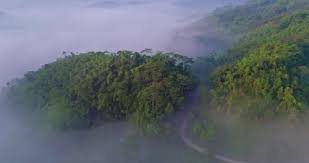
Forest & Woodland
Dense canopy, filtered light, rich biodiversity. Forests offer a sense of enclosure and protection, with complex soundscapes and varied terrain for exploration.
Different natural settings offer unique qualities for outdoor practice. Find the environment that resonates with you.
Each environment offers distinct characteristics that can support different aspects of your outdoor practice.
Dense canopy, filtered light, rich biodiversity. Forests offer a sense of enclosure and protection, with complex soundscapes and varied terrain for exploration.
Moving water creates natural rhythm and white noise. Riverside settings offer the calming presence of flow and the opportunity to observe aquatic ecosystems.
Still water provides reflection and tranquility. Lake environments offer expansive views and the gentle sounds of water meeting shore.
Elevated positions offer perspective and expanded views. Higher ground can provide a sense of overview and connection to broader landscapes.
Open spaces with sky views and grassland ecosystems. Meadows offer expansiveness, seasonal wildflowers, and unobstructed connection with weather patterns.
Parks, gardens, and tree-lined areas within cities. Accessible nature that integrates with daily urban life, offering convenient practice opportunities.
There's no single "best" environment for outdoor practice. The ideal setting depends on your personal preferences, accessibility, and what you're seeking from your time in nature.
Consider starting with whatever natural space is most accessible to you. As you develop your practice, you may find yourself drawn to explore different environments and discover which settings resonate most deeply with your needs.
Remember that the same environment can feel different at various times of day, in different seasons, and under varying weather conditions. Part of the practice is developing sensitivity to these natural variations.
Simple factors to consider when selecting and preparing for your practice environment.
Consider travel time and ease of access. A nearby park you can visit regularly may serve you better than a distant wilderness area you rarely reach.
Be aware of terrain, weather conditions, and any local considerations. Prepare appropriately and let someone know your plans for remote areas.
Notice the acoustic qualities of different spaces. Some practices benefit from natural quiet, while others work well with ambient natural sounds.
The same location offers different experiences throughout the year. Consider how seasonal changes might affect your practice and embrace the variety.
Start with the natural space closest to you. Every environment has something to offer when approached with openness and attention.
All materials and practices presented are educational and informational in nature, aimed at supporting general well-being. They do not constitute medical diagnosis, treatment, or recommendations. Before applying any practice, especially if you have chronic conditions, please consult with a qualified professional.